
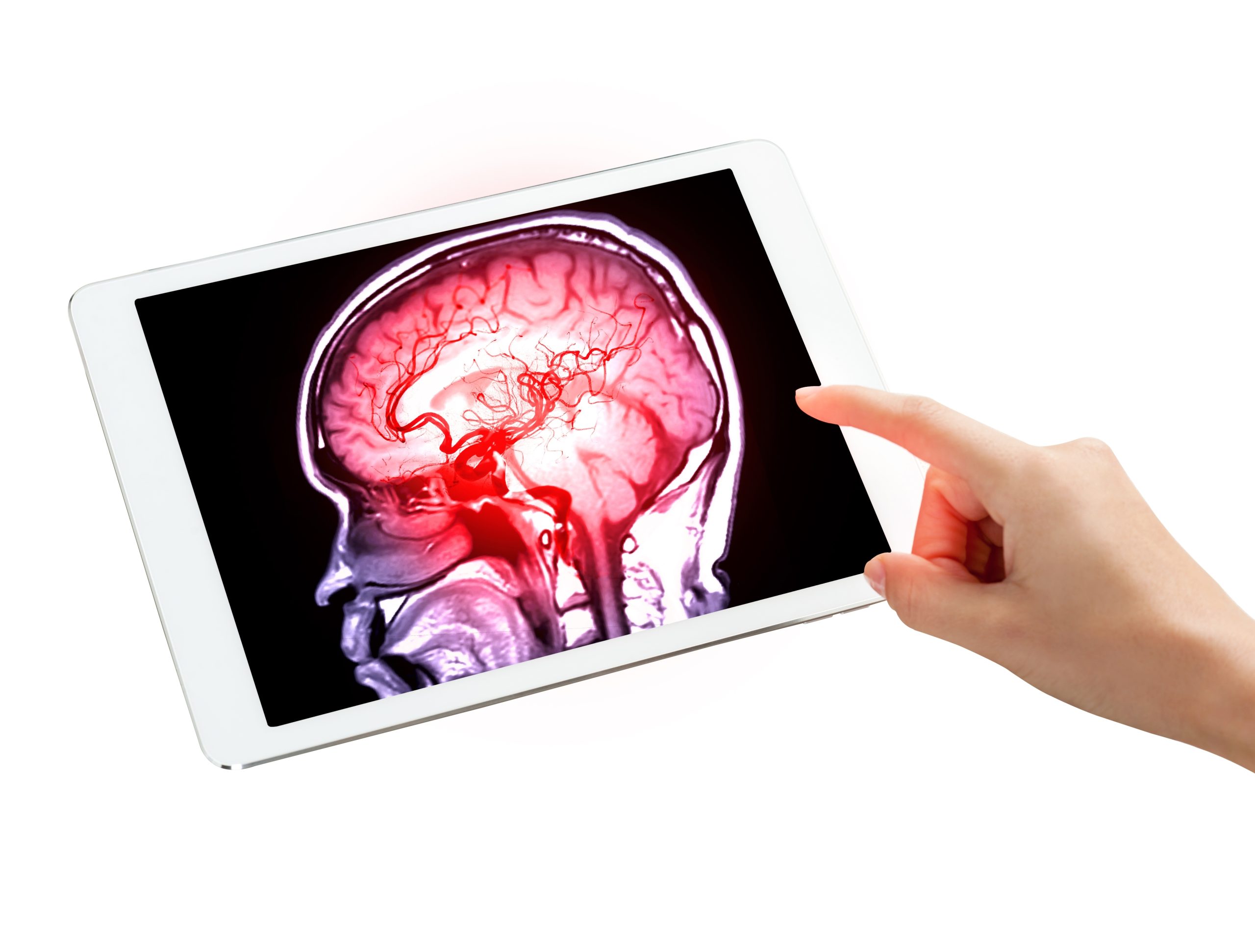
1. What is a Stroke?
A stroke occurs when the blood supply to a part of the brain is interrupted or reduced, preventing brain tissue from getting oxygen and nutrients. There are two main types of strokes: ischemic, caused by blockages in blood vessels, and hemorrhagic, resulting from bleeding in or around the brain. Understanding the basics of strokes is essential for recognizing their potential consequences, including the risk of developing dementia. A transient ischemic attack (TIA), often referred to as a “mini-stroke,” can indeed contribute to the development of vascular dementia. Although TIAs typically last only a few minutes and do not result in permanent damage, they signal a significant risk for future strokes and cognitive decline. Individuals who experience a TIA should prioritize stroke recovery through targeted rehabilitation strategies. Often, people who have a TIA will have repeated events.
2. What is Dementia and How is it Related to Strokes?
 Dementia is a general term for a decline in cognitive function severe enough to interfere with daily life. One of the most common forms is vascular dementia, which can occur after a stroke due to reduced blood flow to the brain. This section will delve into the mechanisms through which strokes can lead to cognitive decline, including how vascular damage affects brain health over time.
3. What is Vascular Dementia?
Vascular dementia is a type of dementia that occurs due to brain damage from impaired blood flow. It manifests through a range of symptoms, including memory loss, confusion, difficulty concentrating, and impaired judgment. Individuals may also experience mood swings and behavioral changes.
What is the Risk?
Risk factors for developing vascular dementia primarily include previous strokes, high blood pressure, diabetes, and smoking. As the condition progresses, cognitive abilities decline, resulting in challenges with daily tasks and an increased dependency on caregivers. Unlike Alzheimer’s disease, vascular dementia symptoms can fluctuate, often reflecting the underlying vascular health of the individual. Timely intervention and rehabilitation strategies focusing on cognitive exercises and lifestyle modifications can significantly impact progression and quality of life. Strokes can trigger or exacerbate vascular dementia through several mechanisms. Firstly, they damage blood vessels, resulting in reduced blood flow to critical brain regions, which ultimately impairs cognitive function. The brain’s inability to receive adequate oxygen and nutrients can lead to the death of neurons, thereby accelerating cognitive decline. Additionally, repeated strokes or transient ischemic attacks (TIAs) compound this effect, as each incident increases the risk of further vascular damage. The accumulation of these factors can lead to significant deficits in memory, reasoning, and overall cognitive abilities, emphasizing the need for effective rehabilitation strategies during stroke recovery to mitigate these risks.
4. What Rehabilitation Strategies are Effective for Stroke Recovery?
 Recovery from a stroke can be a long and challenging process, but various rehabilitation strategies can help individuals regain their independence and cognitive functions. Physical therapy, occupational therapy, speech therapy, and cognitive rehabilitation techniques play vital roles in stroke recovery. Physical therapy focuses on improving mobility and strength, helping patients regain movement and coordination. Occupational therapy assists individuals in adapting to daily activities, enhancing their independence and quality of life. Speech therapy targets communication and swallowing difficulties, crucial for those affected by strokes. Meanwhile, cognitive rehabilitation techniques aim to restore cognitive functions, including memory and problem-solving skills. These therapies, when integrated into a comprehensive recovery plan, empower patients to navigate their rehabilitation journey, ultimately leading to a more fulfilling life post-stroke.
5. How Can You Protect Your Brain Health After a Stroke?
 Preventing further strokes and protecting brain health is crucial for individuals who have experienced a stroke. The good news is that there is a lot that individuals can do. Implementing lifestyle changes plays a pivotal role in enhancing recovery after a stroke and reducing the risk of vascular dementia. A balanced diet rich in fruits, vegetables, whole grains, and lean proteins supports brain health by providing essential nutrients. Regular physical activity, such as walking or swimming, improves cardiovascular health and boosts cognitive function. Incorporating exercises that enhance coordination and balance can further aid rehabilitation. Additionally, managing chronic conditions like hypertension and diabetes through lifestyle modifications significantly lowers the risk of subsequent strokes. Together, these strategies create a comprehensive approach to promoting overall well-being and protecting cognitive health post-stroke.
6. What Role Does Education and Awareness Play in Preventing Strokes and Dementia?
Increasing awareness about the risks of strokes and dementia can empower individuals and communities to take preventive actions. Education and community support programs play a vital role in preventing strokes and dementia, particularly for individuals at risk. Local health organizations like the American Heart Association often offer workshops and seminars that educate participants about stroke symptoms, risk factors, and prevention strategies. These programs foster a supportive environment where individuals can share experiences and learn from each other.  Additionally, resources like support groups and online forums provide valuable information and encouragement, promoting mental health and emotional resilience. By enhancing awareness and facilitating access to resources, communities empower individuals to take proactive measures, ultimately reducing the incidence of strokes and vascular dementia while improving overall health outcomes.
Conclusion
In summary, the interplay between strokes and dementia is complex and significant. Understanding this relationship is vital for taking proactive steps towards prevention and recovery. By being informed about the risks, recognizing the signs of stroke and dementia, and implementing effective rehabilitation strategies, individuals can better protect their brain health. Taking action today can lead to a healthier tomorrow, reducing the likelihood of cognitive decline and enhancing overall well-being. Families aren’t the only ones who notice the difference. Physicians, hospice coordinators, and discharge planners across Houston regularly refer their own families to Sycamore Creek Ranch. Six locations serve the greater Houston area: Sycamore Creek Ranch – Cinco Ranch, Sycamore Creek Ranch – The Woodlands, Sycamore Creek Ranch – Shenandoah, Sycamore Creek Ranch – Cypresswood, Sycamore Creek Ranch – The Heights, and Sycamore Creek Ranch – The Pines. If a medical professional you trust has mentioned our name, there’s a reason for that. Sycamore Creek Ranch – Cinco Ranch has immediate availability now.